High-Resolution
Scanning for Fine Art, Photographs and Transparencies
1)
Direct Scans (Digital Capture)
The
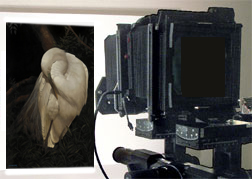
direct digital scanning process using a state-of-the-art
high-resolution scan back mounted on the back
of a view camera is highly recommended for
museum-quality fine art reproduction. The
big benefits:
- Total
control of hi-rez capture of virtually and
size, shape or style of original art.
-
While lighting and shooting skills are always
key, this process is capable of producing
the highest-quality printed images.
- Nothing
touches the original art.
|
|
| Our
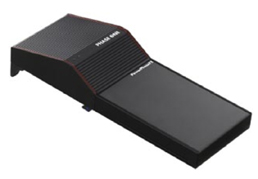
scan back of choice is the PhaseOne PowerPhase
FX, offering record breaking features unmatched
by any other camera back. Specifically designed
for digitizing art originals, dimensional sculptures,
as well as stretched canveses and rare documents,
it provides excellent color and reproduction
accuracy--capturing the finest details on even
the largest originals. 360 megabyte digital
capture (8 bit RGB)/760 MB (48 bit RGB) for
artworks up to 10 feet wide results in the highest
quality output in today's digital field. |
 |
2)
Scans for photographs, slides, negatives or positive
transparencies
If
you're a photographer or you already have film negatives
or transparencies of your art work, excellent results
can also be achieved by scanning these materials
with high end flat bed or drum scanners. Again this
process may also be required if output needs to
be extremely large scale.
3)
Providing your own digital image for a Giclée Print
You
may already have a digital image that you’d
like to print. If so here’s a rule of thumb.
Generally we look for minimum resolution of at least
200 dpi at the size the image is going to be printed.
If you don’t have this minimum with your current
file, we’ll analyze options for you -- including
reducing the format of the finished print or reshooting
or scanning your original to achieve the output
your looking for.